Pregnancy and Infant Loss Awareness Month: A Gentle Guide
Share
Pregnancy and Infant Loss Awareness Month is observed every October, a month set aside to recognise babies lost through miscarriage, stillbirth, neonatal death and infant loss, and to support the families who carry them. It's marked by the Wave of Light on 15 October, when people light a candle at 7pm and let it burn for an hour in memory of a baby who died too soon. At Today, Tomorrow & Always, we spend all year holding space.
What is Pregnancy and Infant Loss Awareness Month?
It's an international month, recognised across Australia by organisations like Red Nose, Sands and others, that gives families, friends, workplaces and health professionals a shared opportunity to speak openly and compassionately about pregnancy loss and infant death.
It covers every kind of loss: early miscarriage, later miscarriage, stillbirth, neonatal death, and infant loss in the months after birth. None of these is weighed against the others here. Grief doesn't come with a threshold.
You are not alone
If you've lost a baby, one of the hardest parts can be the quiet around it, the sense that this doesn't happen to many people, or that you're the only one who knows anyone who's been through it. The numbers tell a different story.
In Australia, among women who gave birth in 2022, roughly 3 in 10 had previously had at least one miscarriage, and about 1 in 10 had had two or more. Over a lifetime, somewhere between 30 and 37% of women who have ever been pregnant will experience a pregnancy loss before 20 weeks (AIHW). Stillbirth and newborn death are rarer, though still far from uncommon: on an average day in Australia, 6 babies are stillborn and 2 die within their first 28 days (AIHW, 2021).
None of this makes your loss hurt less, and it was never anything you did. But if you've felt isolated by it, these numbers are part of the answer: pregnancy and infant loss touches an enormous number of families. The silence around it says nothing about how much it matters, only that it's still hard for people to find the words.
What is the Wave of Light, and how do I take part?
The Wave of Light happens every year on 15 October. At 7pm local time, people light a candle and let it burn for at least an hour, creating a continuous wave of light around the world in memory of babies who died too soon. Some people share a photo when they do it. Most don't, and that's just as meaningful. There's no right way to take part, and no obligation to make it visible to anyone at all.
We will be honouring little ones over on our Facebook Page if you'd like to join us.
There is no right way to grieve a pregnancy or infant loss
Here, there is no timeline and no right way to remember. Some people want to talk about their baby by name, often and openly. Others hold it privately, for years, maybe always. Both are normal. A loss at six weeks and a loss at thirty-six weeks are not measured against each other, and neither is a loss that happened five weeks ago against one from fifteen years ago. Every name, every date, every quiet moment matters, on whatever timeline it comes.
Where to find support this month, and any month
If you'd like support beyond what we can offer, these organisations specialise in exactly this:
- Sands Australia: support for miscarriage, stillbirth and newborn death, including a 24/7 support line and peer support groups across Australia.
- Red Nose / Red Nose Grief and Loss: bereavement support, counselling and the national home of the Wave of Light in Australia.
- Bears of Hope: pregnancy and infant loss support, including peer support and memory-making resources for bereaved families.
You don't need to have bought anything from us, or ever intend to, to reach out to any of these.
If you're looking for a way to mark your baby's memory
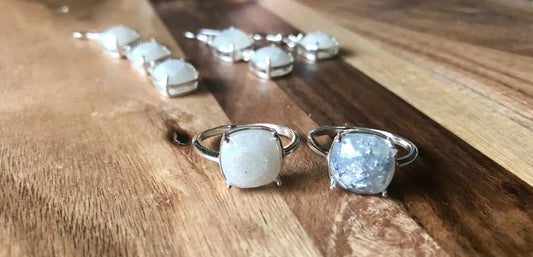
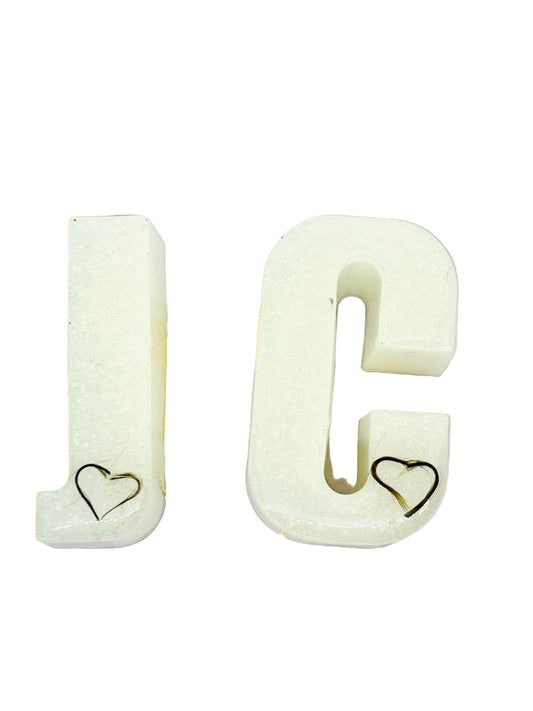
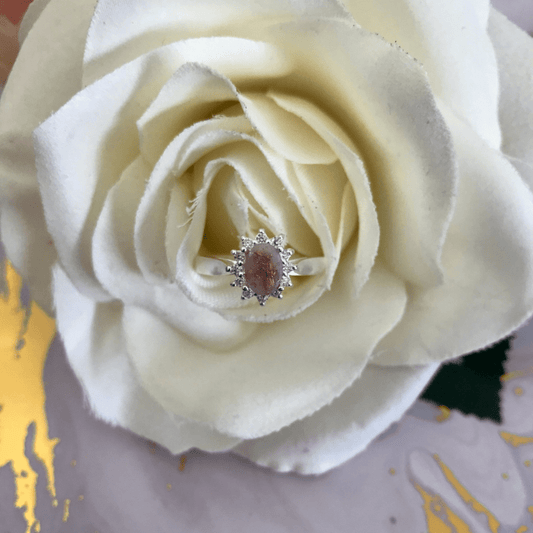
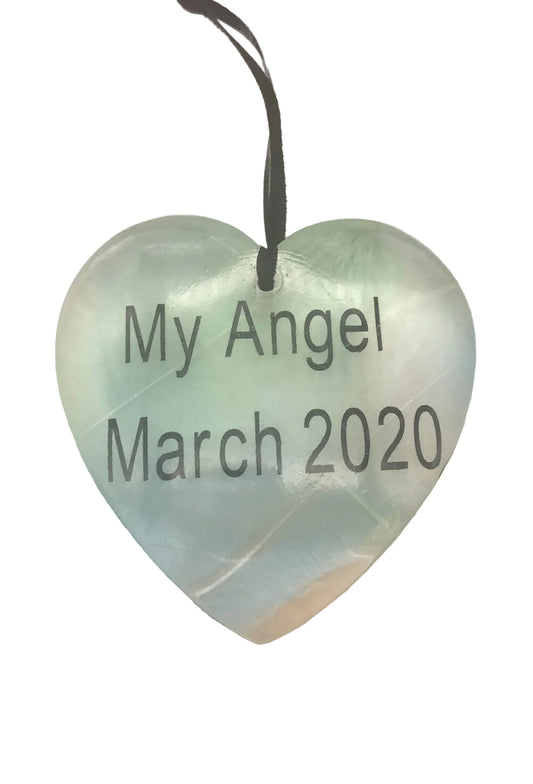
Some families choose a tangible keepsake as one way of marking their baby's memory. Plenty of others never want one, and that's just as valid. A keepsake isn't a requirement for grief to be real, and it isn't a replacement for support when you need it, it's simply one option among many, alongside things like lighting a candle each year, planting something, or writing to your baby.
If a memorial keepsake is something you've thought about, our pregnancy and infant loss collection is there when you're ready, with no timeline attached to that either.
When is Pregnancy and Infant Loss Awareness Month?
It's observed every October, with Pregnancy and Infant Loss Remembrance Day specifically on 15 October.
What is the Wave of Light?
A moment on 15 October, at 7pm local time, when people light a candle and let it burn for at least an hour, creating a wave of light around the world for babies who died too soon.
Do I have to share anything publicly to take part in the Wave of Light?
No. Lighting a candle privately, with no photo and no post, is just as meaningful as sharing one.
How common is pregnancy or infant loss in Australia?
Far more common than it can feel. Around 3 in 10 Australian women who've given birth have had at least one earlier miscarriage, and over a lifetime, roughly 30 to 37% of women who have ever been pregnant experience a loss before 20 weeks (AIHW). Stillbirth and newborn death are rarer but still far from rare, averaging around 6 and 2 babies a day across Australia.
What should I say to someone who has experienced pregnancy or infant loss?
Simple, honest words tend to help most: "I'm so sorry, I'm here." Using the baby's name if one's been shared, and letting the person lead the conversation, matters more than finding a perfect sentence. Avoid anything that tries to find a silver lining, like "at least" statements or "everything happens for a reason."
Where can I find support if I've experienced pregnancy or infant loss?
Sands Australia, Red Nose Grief and Loss, Bears of Hope and Gidget Foundation Australia all offer dedicated support, from helplines and peer groups to free professional counselling, whether or not you've ever been a TTA customer.
Is a memorial keepsake the "right" way to remember a baby?
No. There's no single right way. A keepsake is one option some families choose, never a requirement, and never a measure of how much a baby is missed.